
Resources
Explore our papers, videos and other resources on developing climate adaptation solutions for the agriculture and forestry sectors.
-
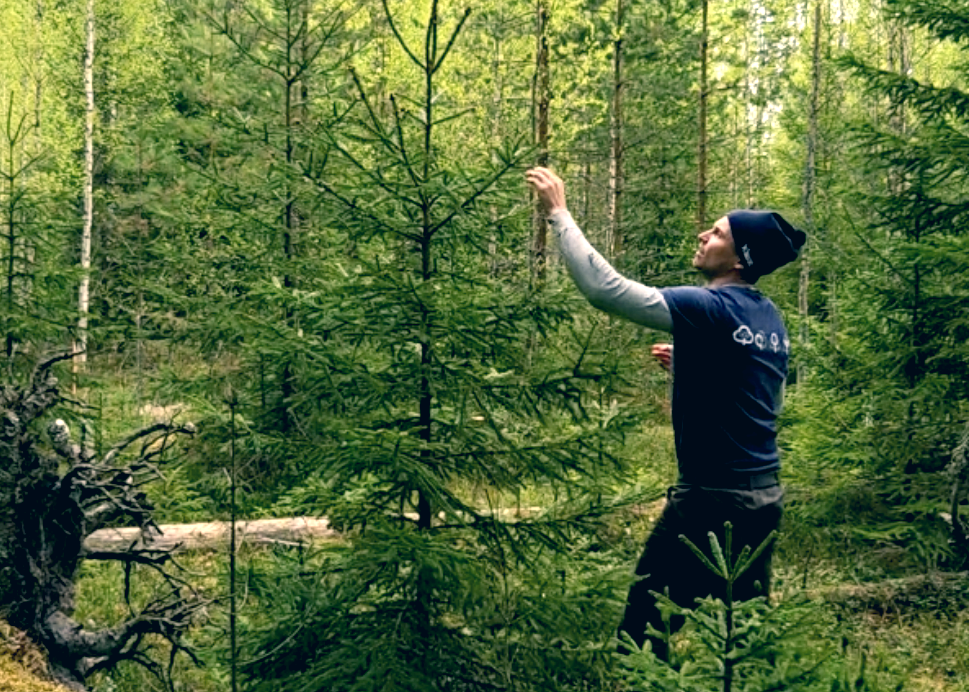
Estonian Forestry Learnings
Watch a short video about favourable growing conditions for young trees.
-
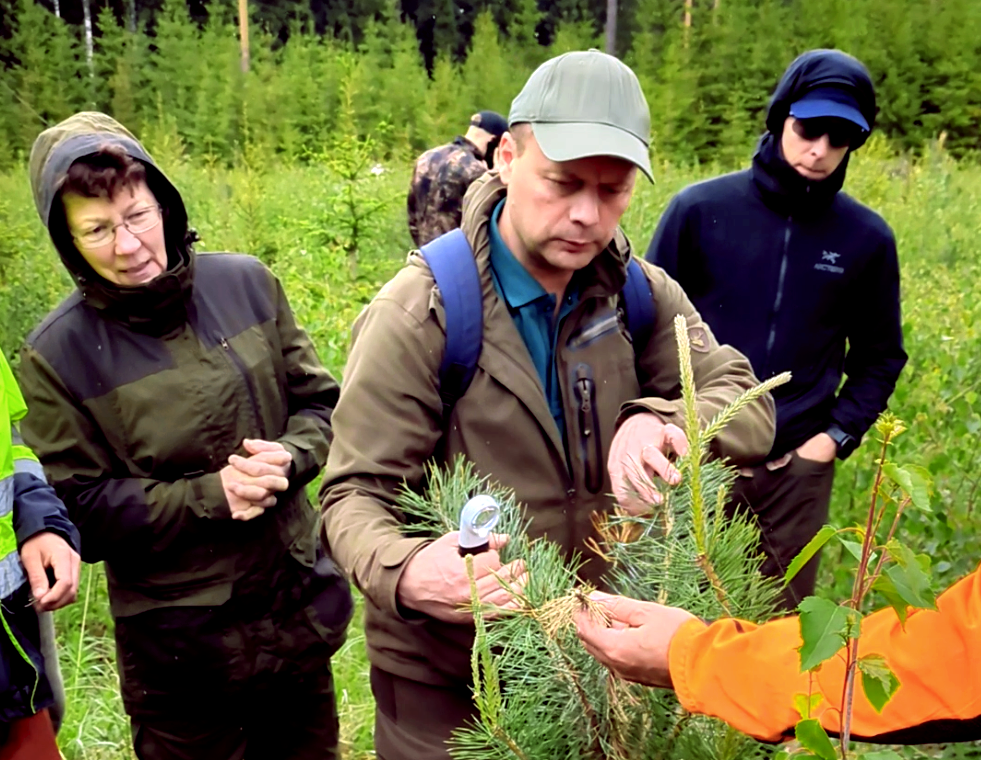
Estonian Forestry Learnings
Watch a short video about the main and emerging plant diseases in Estonian Forests.
-

Preliminary Report and Progress Review of Consortium-wide Stakeholder Engagement
Review preliminary report on Precilience's consortium-wide stakeholder engagement and coordination.
-
Preliminary Report on Forestry Demonstrations
Explore how climate risks are materialising across different forest types and how they can be mitigated through management practices that prioritise forest health and biodiversity throughout the entire rotation period.
-
Preliminary Report on Agricultural Demonstrations
Discover climate resilience solutions for boreal agriculture, covering crops, water, and soil to improve understanding of their suitability and how proven approaches can be effectively implemented.
-
Interdisciplinary modelling platform in forestry and agriculture
Read an overview of the interdisciplinary modelling platform that will be used for assessing climate adaptation strategies in the agriculture and forestry sectors across northern Europe.
-
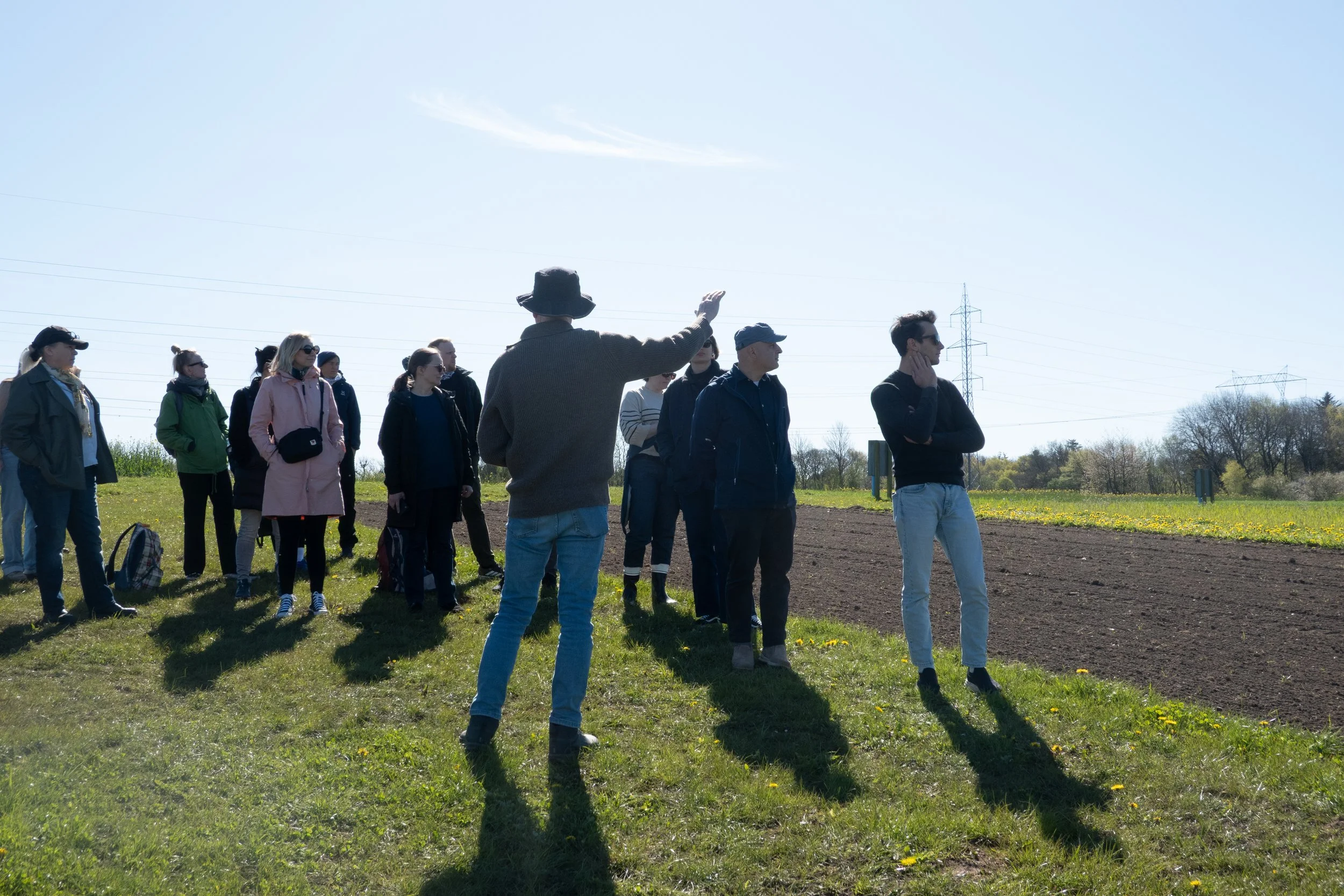
Preliminary climate impact narratives
Read how climate change is already affecting production systems, how stakeholders view future risks, and regional adaptation options, barriers, and opportunities.
-
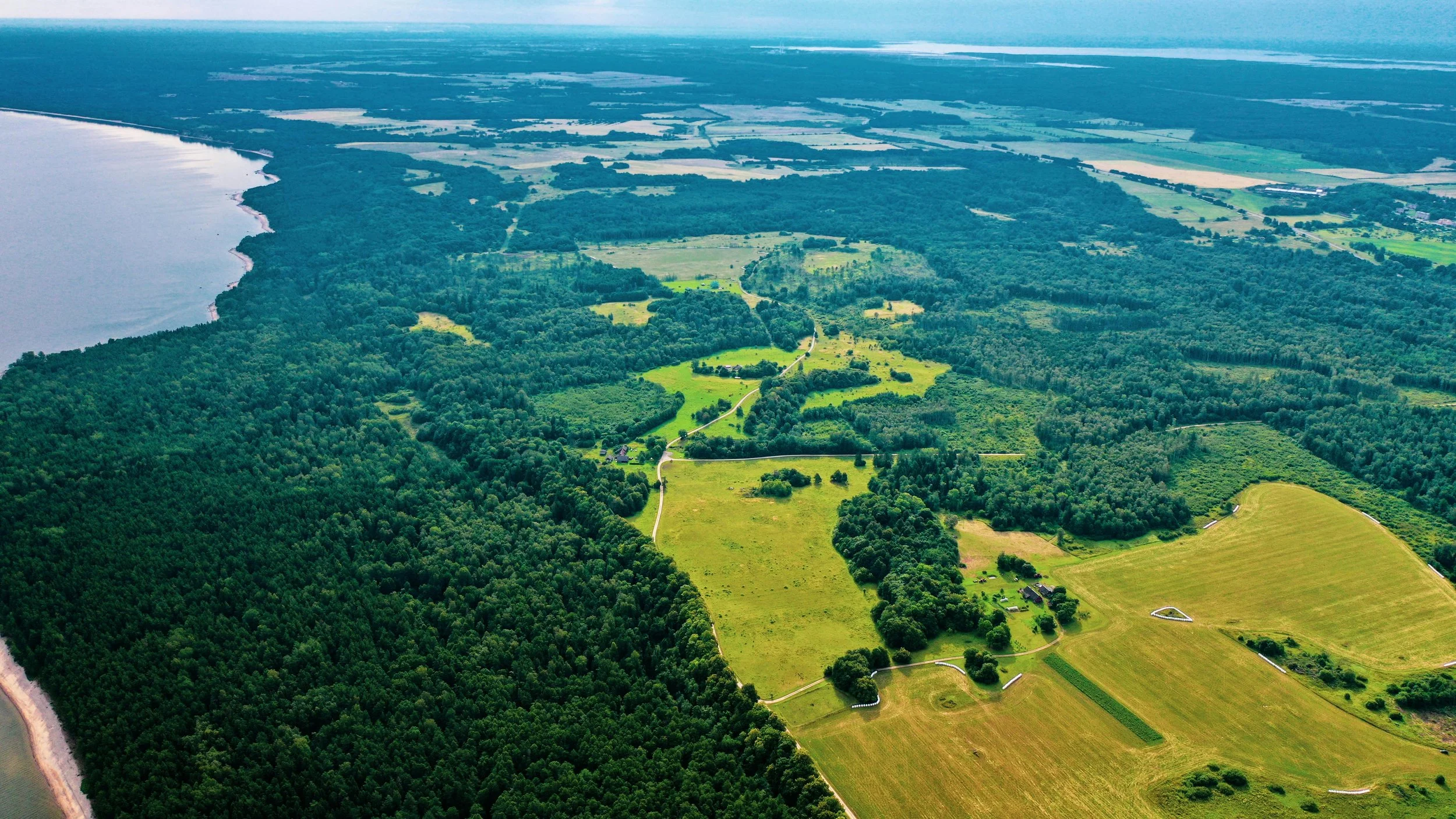
Studying fungi in Estonia
Read a leaflet about understanding fungal communities and tailoring soil tillage practices to regional soil characteristics.
-
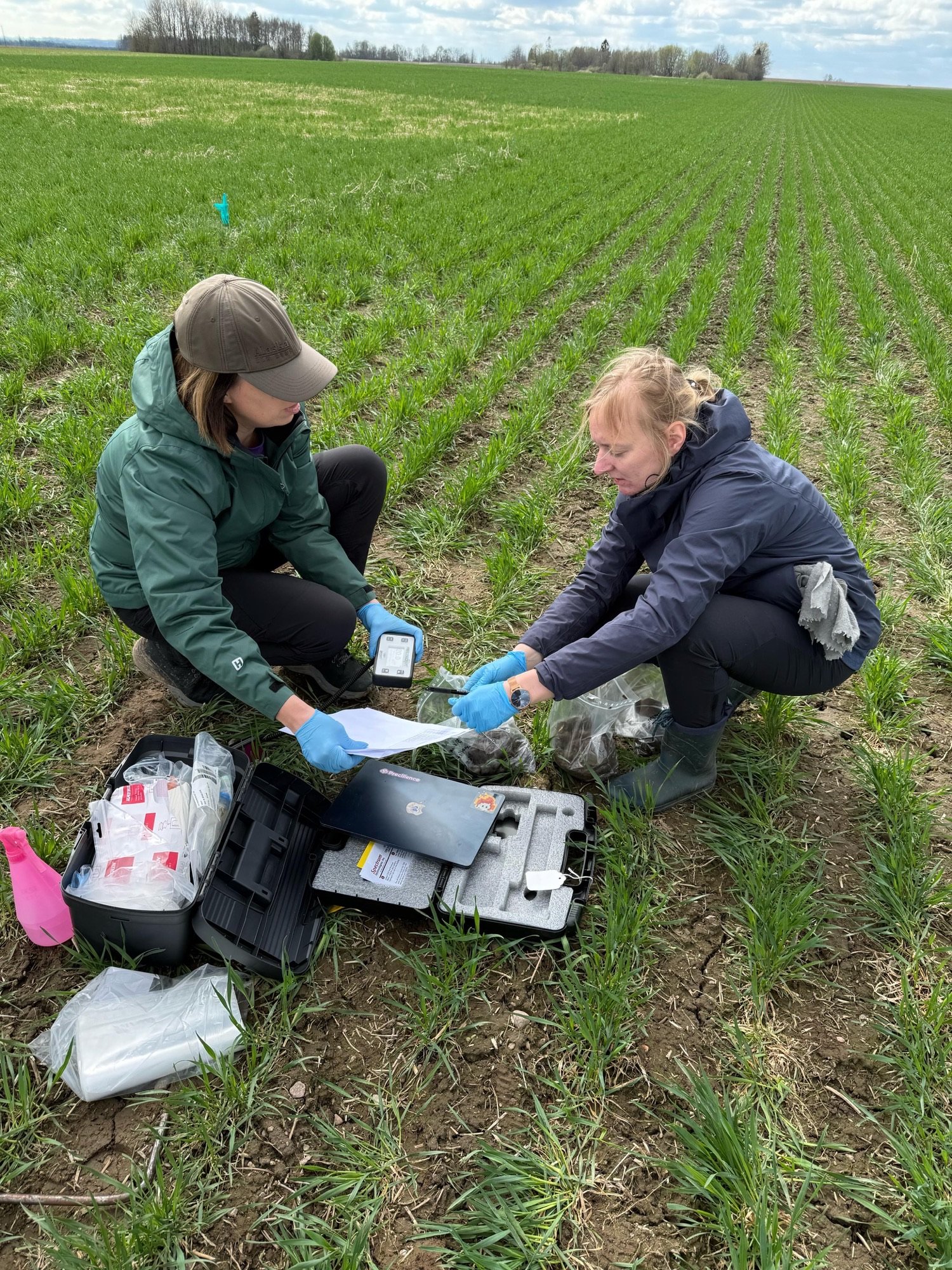
How soil fungal communities respond one year after a change in tillage treatment.
Read how fungal communities respond to different tillage practices that are tailored to regional soil characteristics.
-
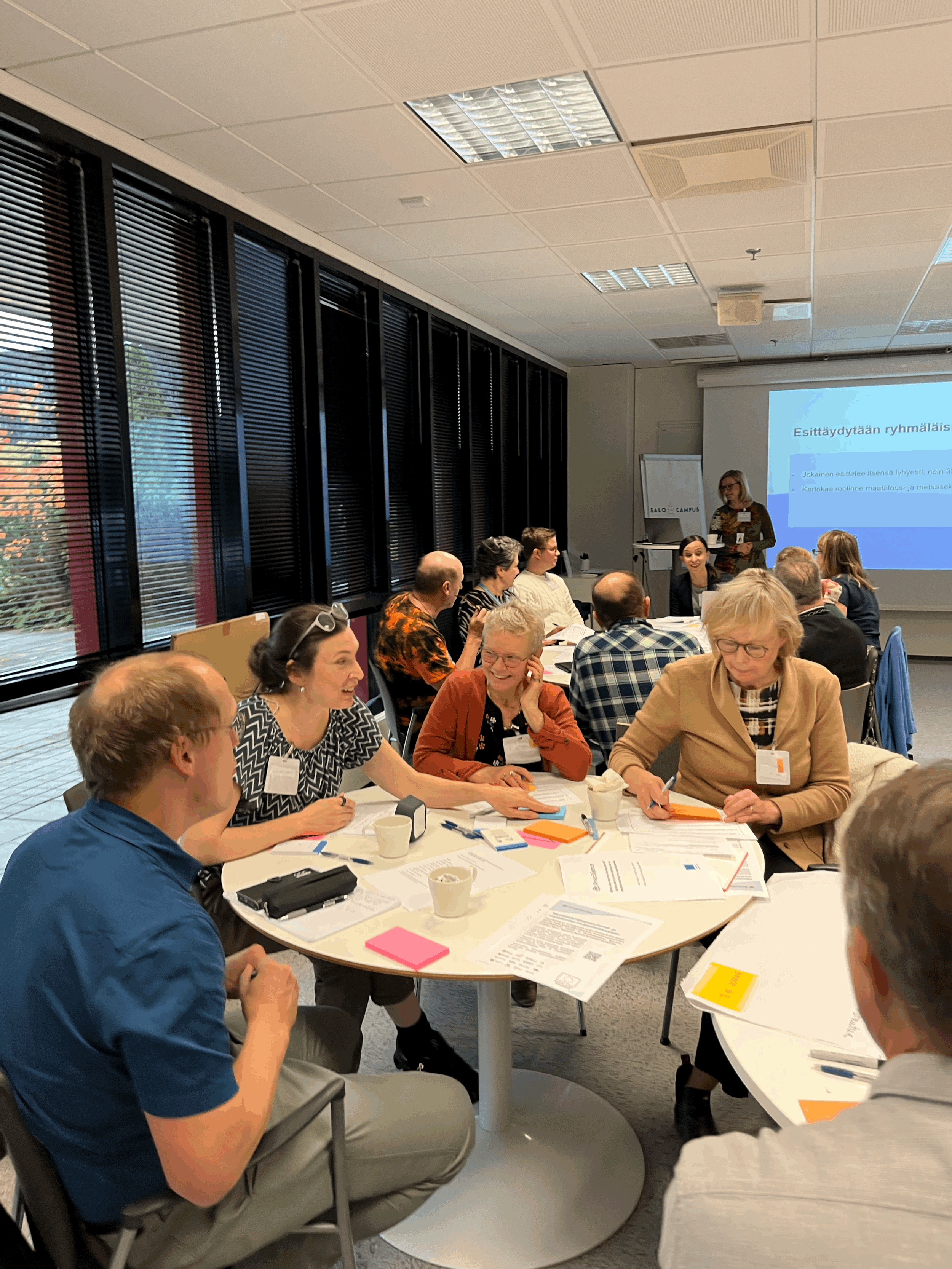
Webinar: Climate resilient natural resources management: Simulation-based approaches, forest insurances and climate services
Watch the webinar organised by Precilience and PIISA Projects.
-

Projected climate change in Fennoscandia – and its relation to ensemble spread and global trends
This study describes climate model projections of climate change in the Precilience region.
-

Coping with novel disturbance regimes: Suitability of 53 tree species for regenerating Central European forests
This study examines the suitability of tree species for regenerating Central European forests after major disturbance events, their site conditions, and their potential for survival and growth in complex forest structures as stands develop.
-

Rising cost of disturbances for forestry in Europe under climate change
Discover the disturbance-induced losses for Europe’s timber-based forestry under severe climate change.
-
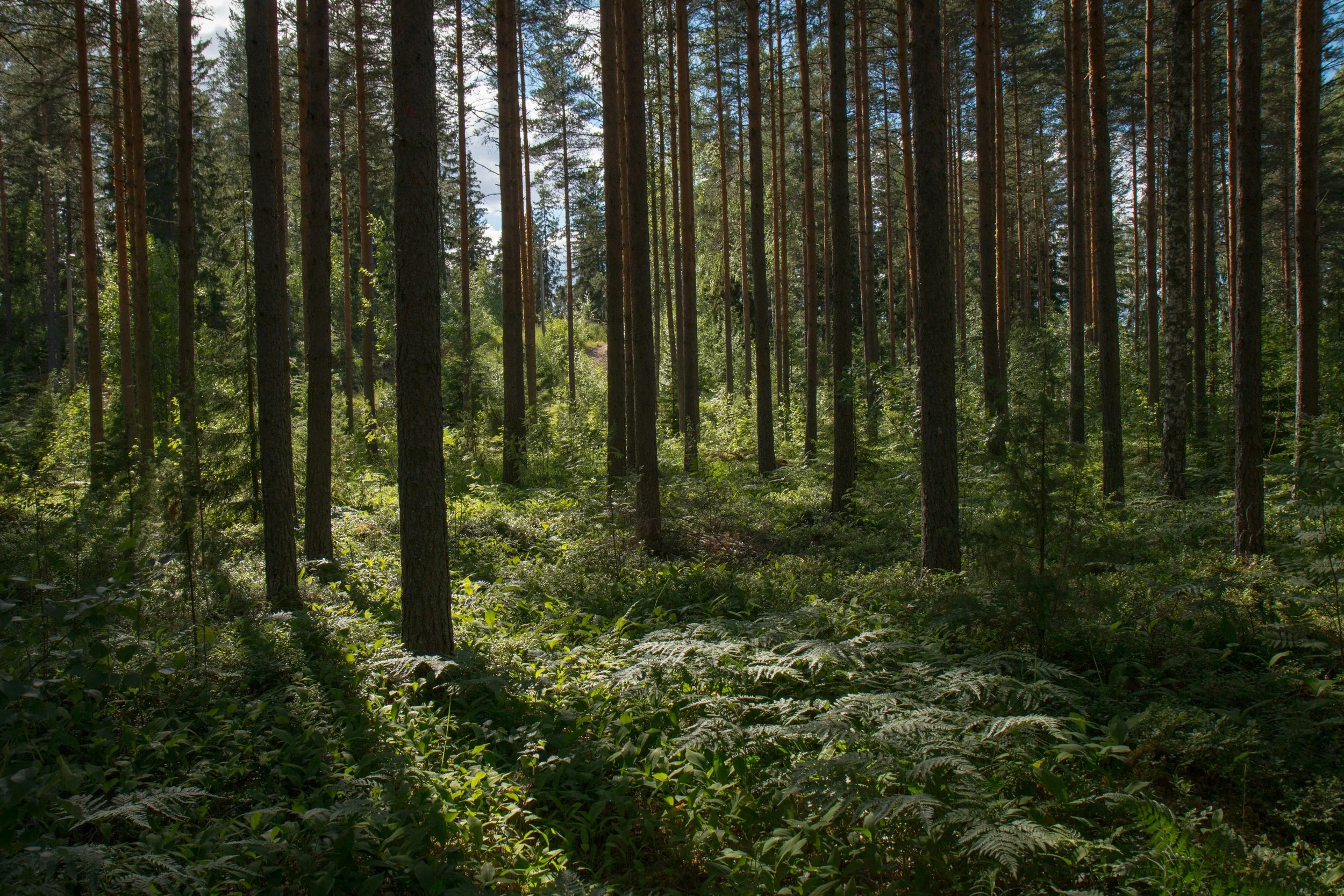
Assessing the impacts of forest stand structure and landscape on the formation of Ips typographus damage hotspots in Finland
This paper analyses the effects of stand- and landscape-level attributes on European spruce bark beetle damage hotspots in the southern half of Finland.
-

Characterising implementers of on-going large-scale diversification of land use in Finland
This study examines diversifying crops in one of Europe's northernmost agricultural regions to characterise recent changes in cultivation intensity and their likely drivers.
-
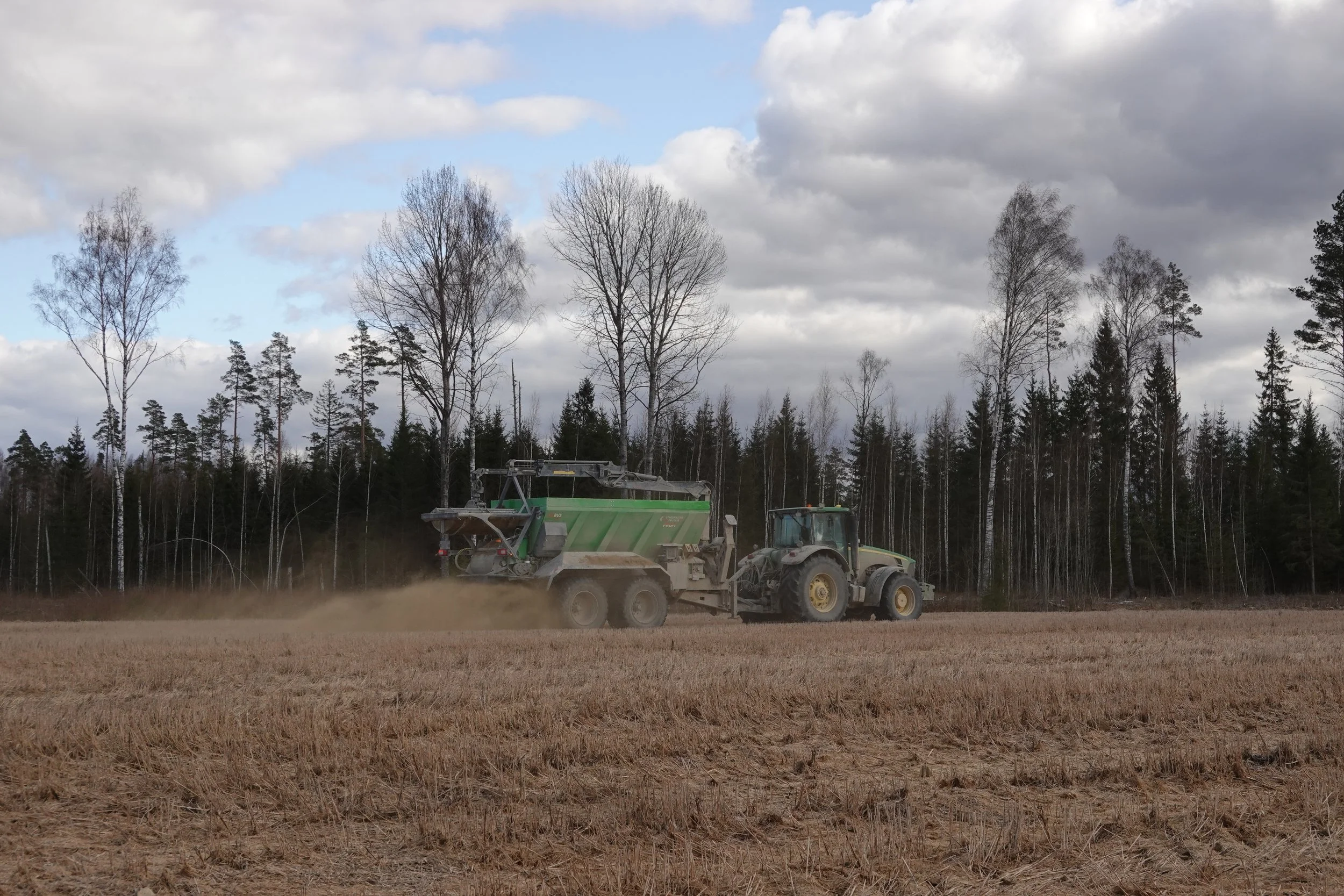
Webinar: Facing Climate Risks in Agriculture and Forestry in Northern Europe
Learn how climate-related changes are unfolding across the Northern Europe and how farmers, forest managers, and researchers are responding.
-

Climate-smart agriculture: Insights and challenges
Read our systematic analysis of the link between agriculture and climate change, and an interpretation of the scientific definition of climate-smart agriculture.
-

Webinar: Introduction to Precilience
The webinar introduces the project and the experts involved, demonstrating how climate adaptation solutions are being co-created with stakeholders.